people
members of the lab or group

555 your office number
123 your address street
Your City, State 12345
layout: about title: About permalink: / subtitle: CS PhD in University of Chicago images: slider: true lightbox2: true photoswipe: true spotlight: true
profile: align: right image: prof_pic.jpg image_circular: false # crops the image to make it circular # more_info: > # <p>555 your office number</p> # <p>123 your address street</p> # <p>Your City, State 12345</p>
selected_papers: true # includes a list of papers marked as “selected={true}” social: true # includes social icons at the bottom of the page
announcements: enabled: true # includes a list of news items scrollable: true # adds a vertical scroll bar if there are more than 3 news items limit: 5 # leave blank to include all the news in the _news folder
latest_posts: enabled: false scrollable: true # adds a vertical scroll bar if there are more than 3 new posts items limit: 3 # leave blank to include all the blog posts —
Hello! Catherine Jeon here. 👋
I am a 1st-year PhD student in Computer Science working in the SAND (Security, Algorithms, Networking and Data) Lab, co-advised by Prof. Ben Zhao and Prof. Heather Zheng.Before joining the University of Chicago, I earned my B.S. and M.S. in Computer Science and Engineering at Ewha Womans University under the supervision of Prof. S.E. Oh, focusing on the intersection of AI and Cybersecurity. My research experience spans Adversarial AI (e.g., anonymous network analysis), AI for security (e.g., malware detection), and AI for Healthcare (e.g., ear health monitoring, electroacoustics). My work has been published in several leading conferences and journals, including ACM CCS, PAKDD, ACM WWW, ACM ASIA CCS, IEEE Sensors, and JASA.
My research focuses on (1) understanding real-world security threats introduced or amplified by AI and (2) leveraging AI to defend against such threats. To build robust, efficient models for security-critical systems, I use methods such as metric learning, continual learning, generative replay, few-shot learning, and data augmentation.
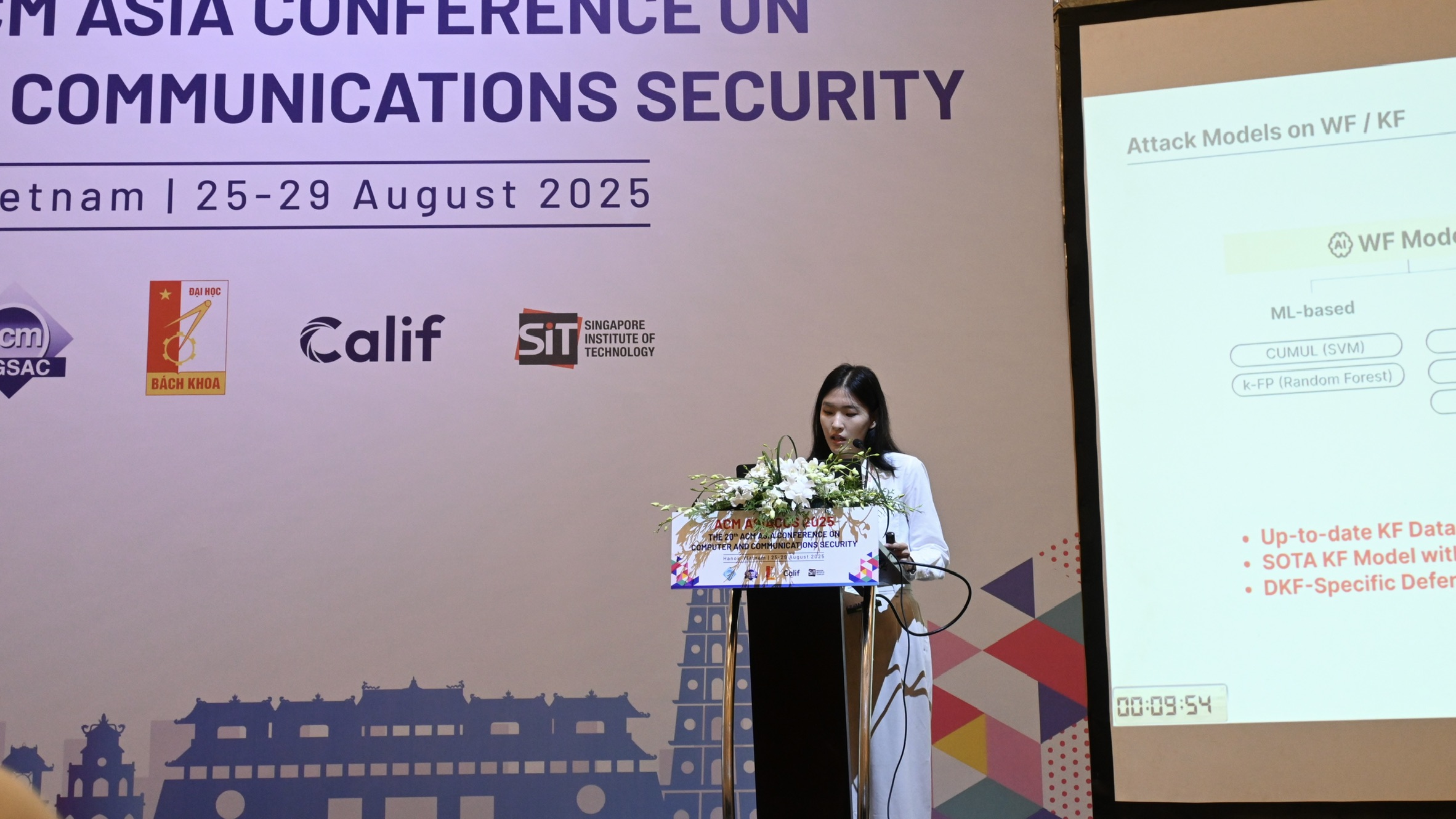
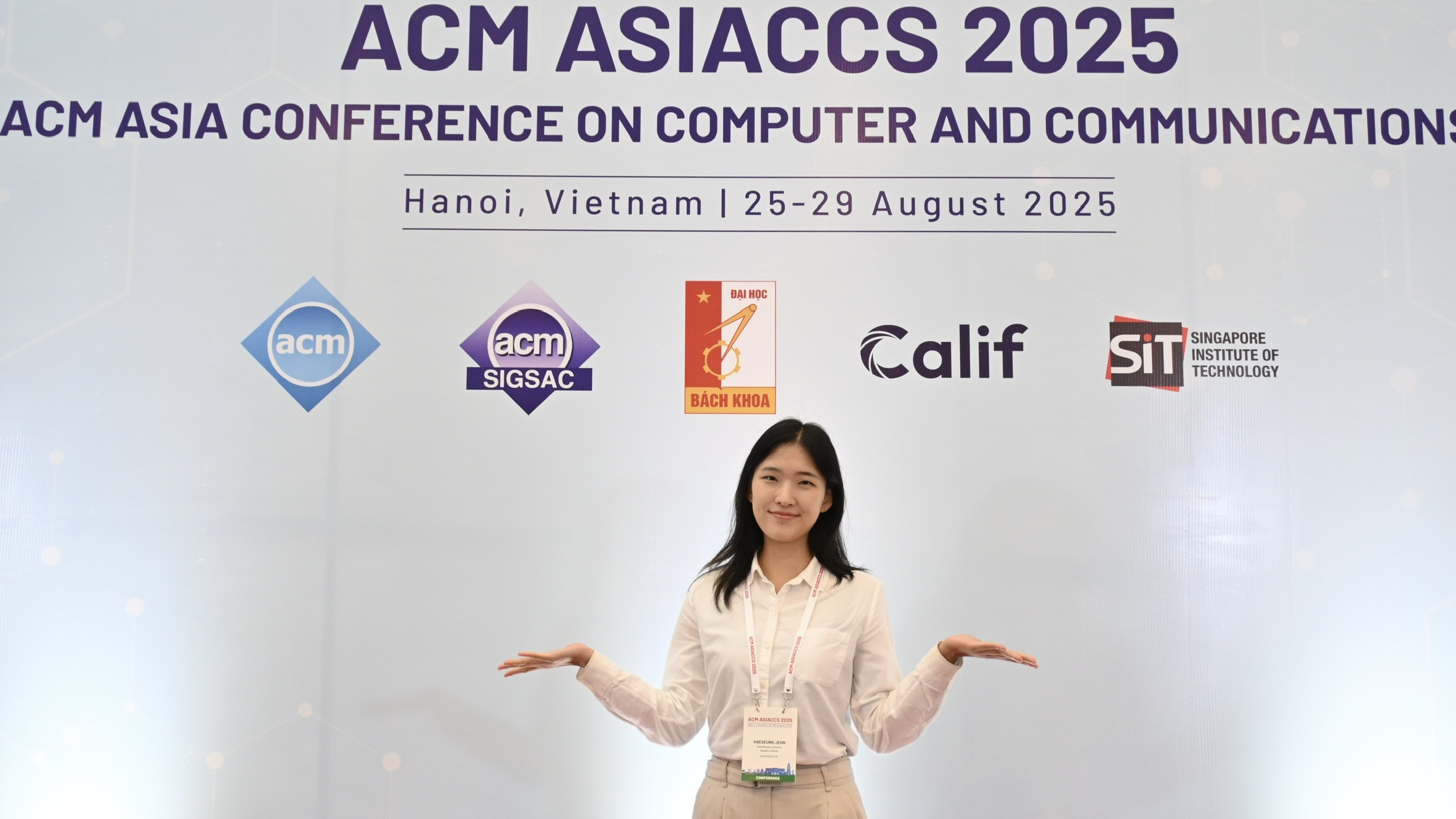
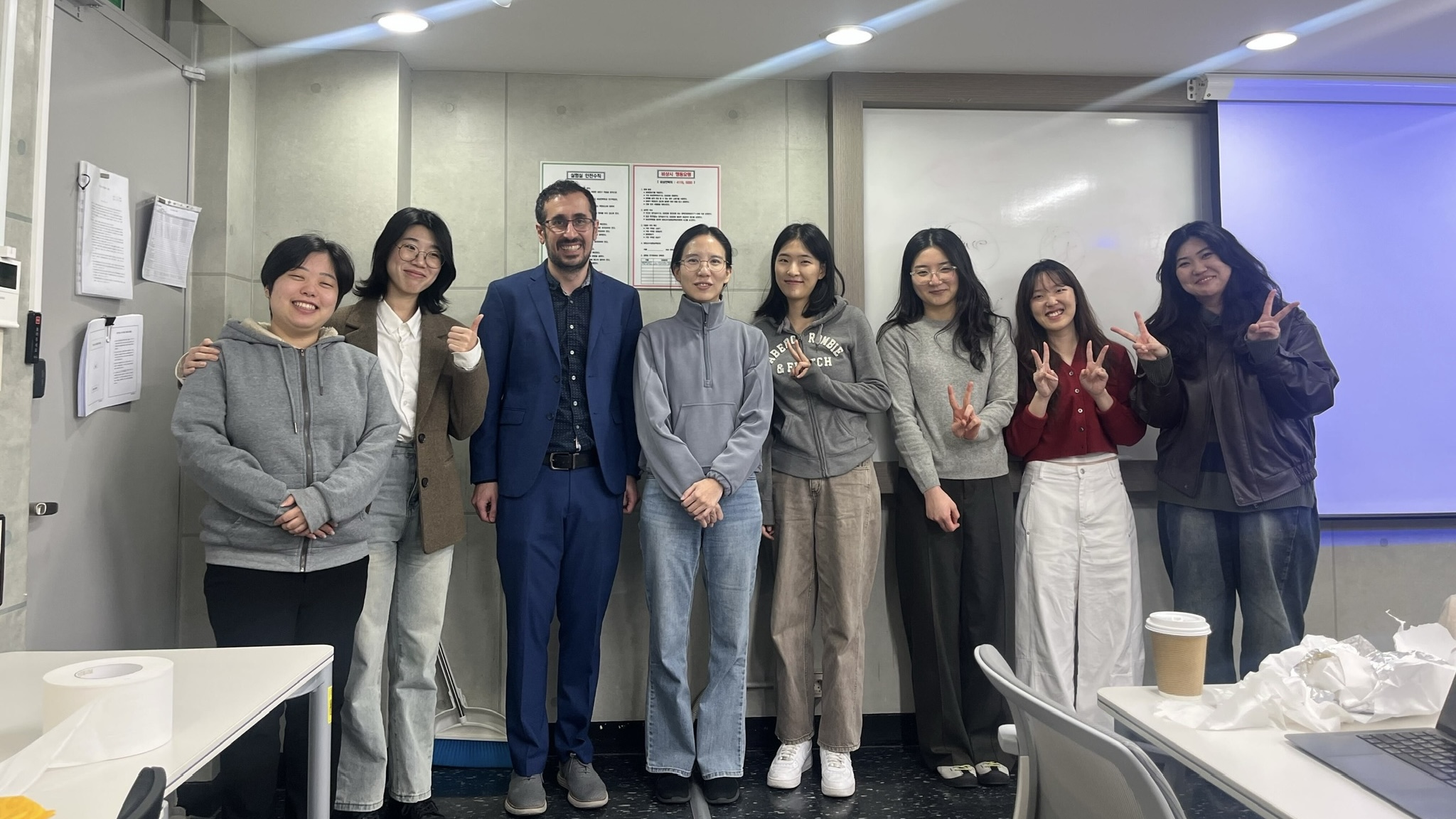
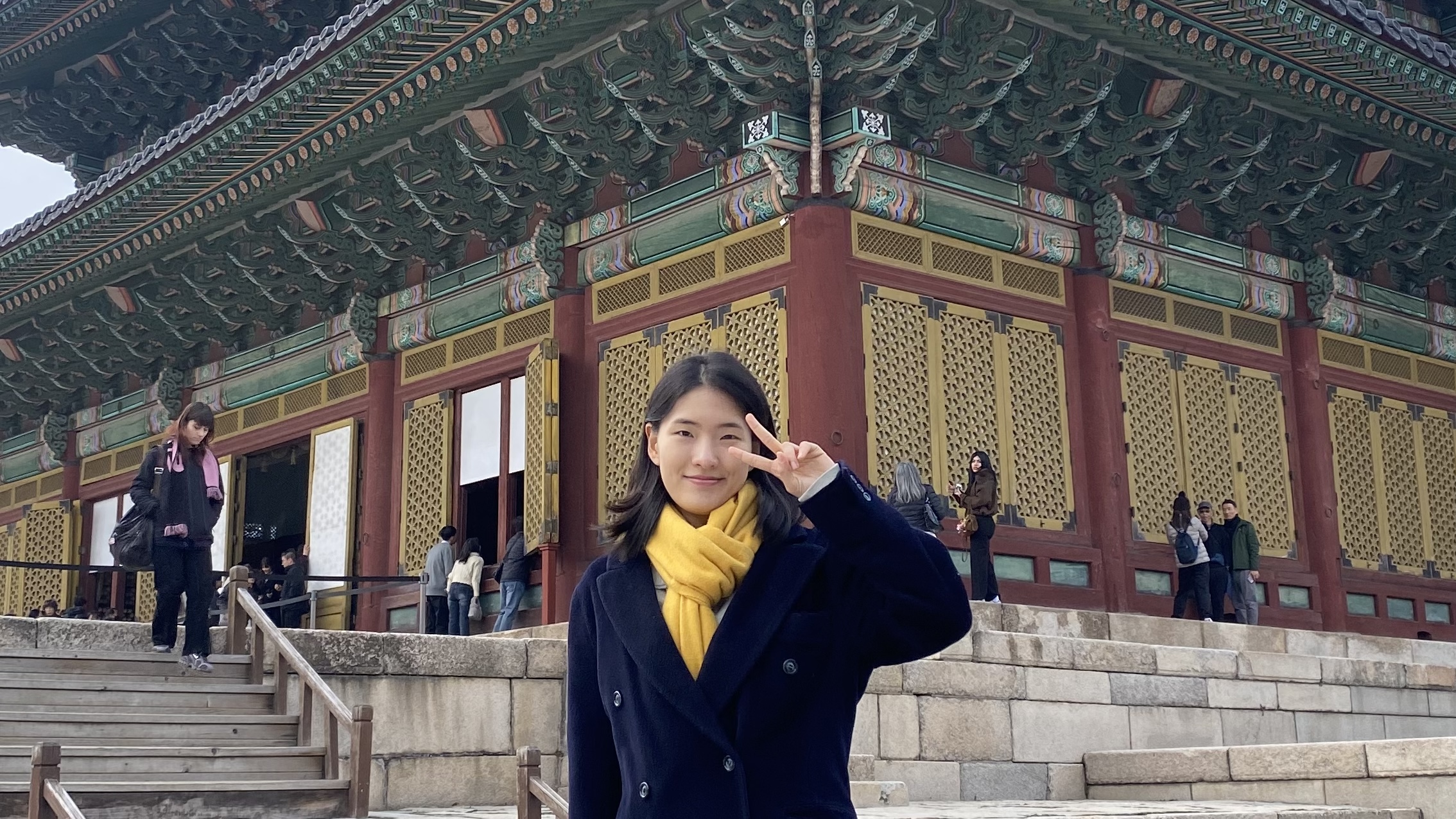
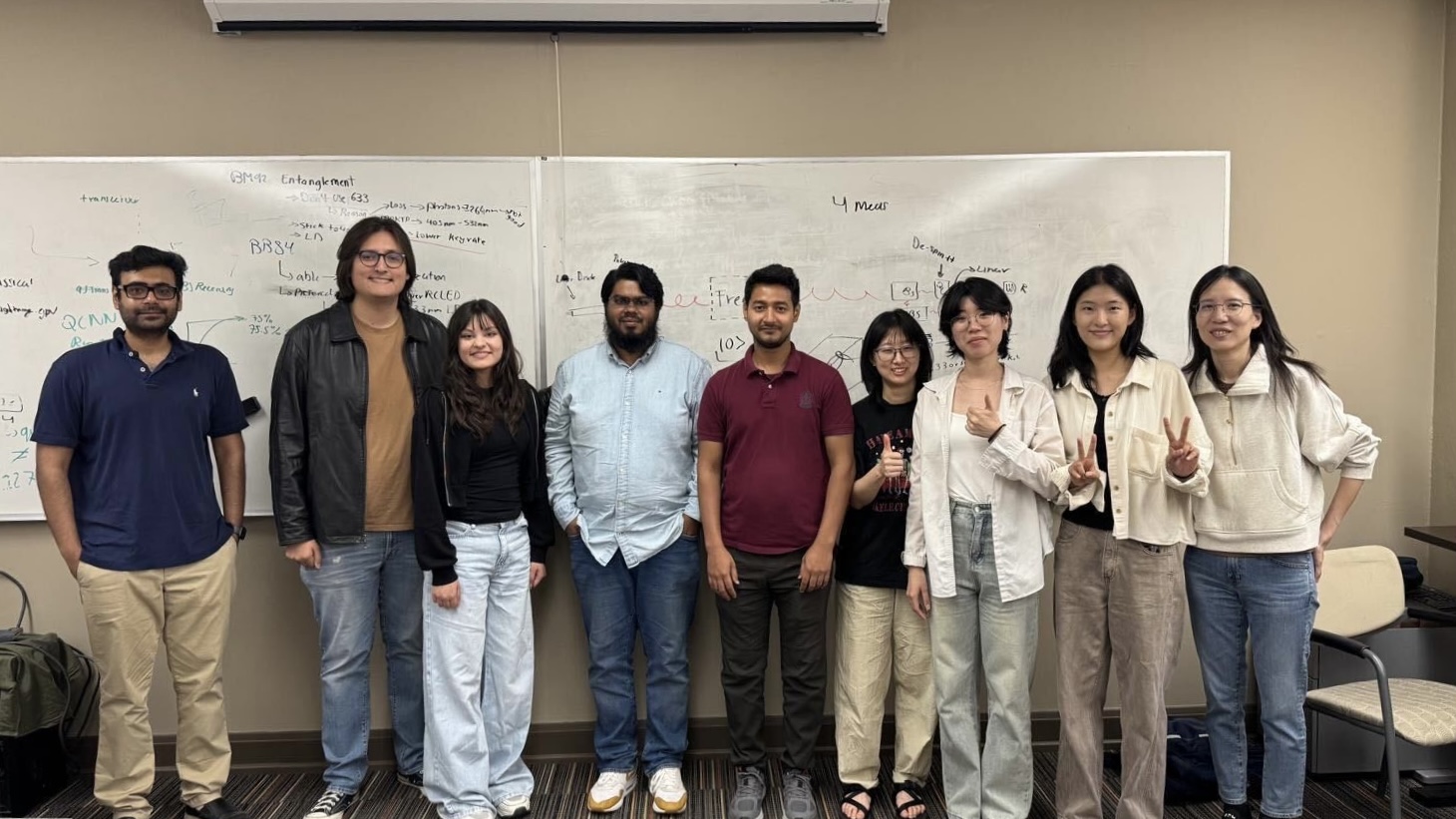
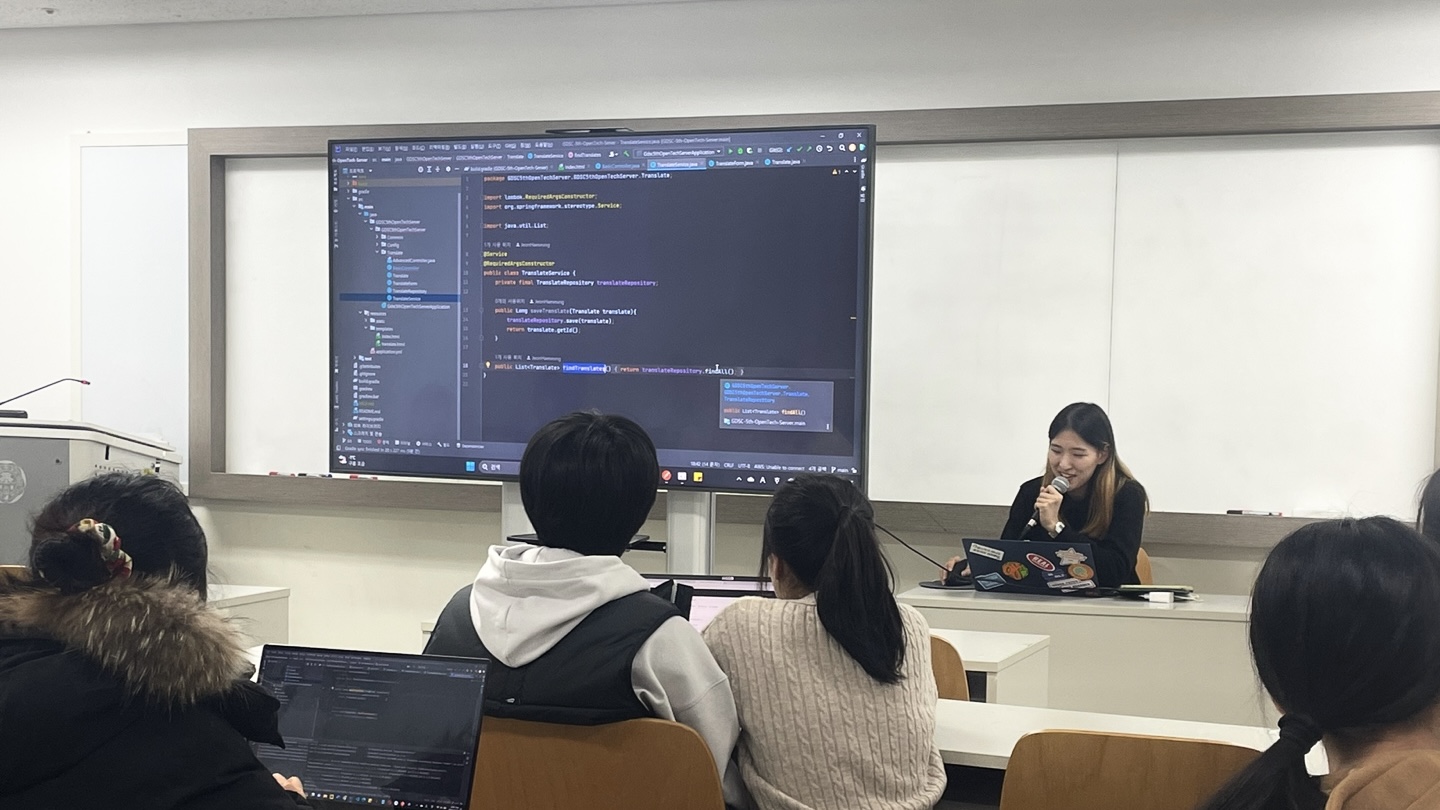
A few moments of my life! 👩🎓👩💻🏃♀️


555 your office number
123 your address street
Your City, State 12345
layout: about title: About permalink: / subtitle: CS PhD in University of Chicago images: slider: true lightbox2: true photoswipe: true spotlight: true
profile: align: right image: prof_pic.jpg image_circular: false # crops the image to make it circular # more_info: > # <p>555 your office number</p> # <p>123 your address street</p> # <p>Your City, State 12345</p>
selected_papers: true # includes a list of papers marked as “selected={true}” social: true # includes social icons at the bottom of the page
announcements: enabled: true # includes a list of news items scrollable: true # adds a vertical scroll bar if there are more than 3 news items limit: 5 # leave blank to include all the news in the _news folder
latest_posts: enabled: false scrollable: true # adds a vertical scroll bar if there are more than 3 new posts items limit: 3 # leave blank to include all the blog posts —
Hello! Catherine Jeon here. 👋
I am a 1st-year PhD student in Computer Science working in the SAND (Security, Algorithms, Networking and Data) Lab, co-advised by Prof. Ben Zhao and Prof. Heather Zheng.Before joining the University of Chicago, I earned my B.S. and M.S. in Computer Science and Engineering at Ewha Womans University under the supervision of Prof. S.E. Oh, focusing on the intersection of AI and Cybersecurity. My research experience spans Adversarial AI (e.g., anonymous network analysis), AI for security (e.g., malware detection), and AI for Healthcare (e.g., ear health monitoring, electroacoustics). My work has been published in several leading conferences and journals, including ACM CCS, PAKDD, ACM WWW, ACM ASIA CCS, IEEE Sensors, and JASA.
My research focuses on (1) understanding real-world security threats introduced or amplified by AI and (2) leveraging AI to defend against such threats. To build robust, efficient models for security-critical systems, I use methods such as metric learning, continual learning, generative replay, few-shot learning, and data augmentation.